
How Micro-Stress Builds Up at Work
The Editorial Team | Friend Indeed
3/4/20263 min read
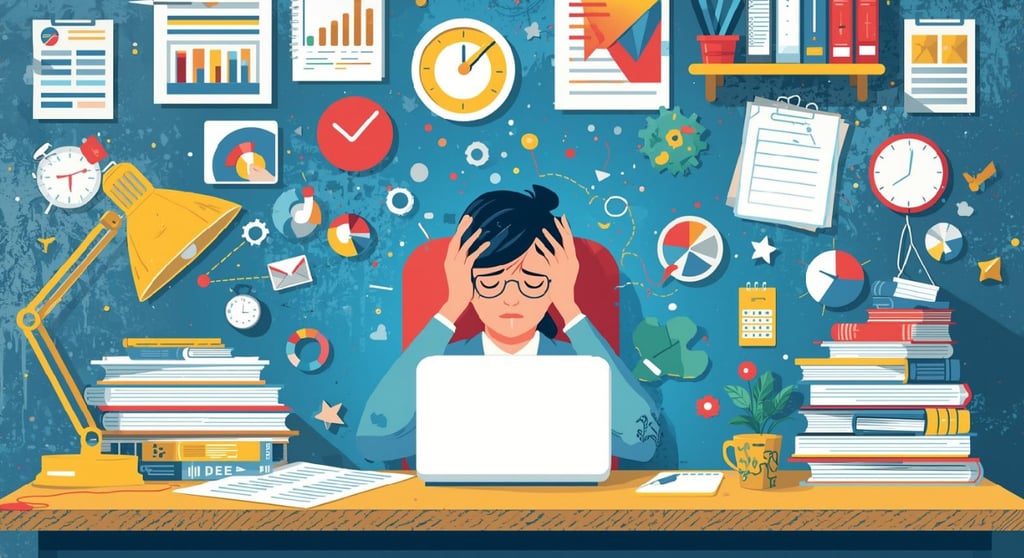
When the Workplace Feels Emotionally Unsafe
Not all work stress comes from deadlines or workload.
Sometimes, it comes from tone.
From silence.
From uncertainty about how something will land.
You may not be able to point to a single incident. Nothing overtly wrong is happening. And yet, you feel guarded, alert, or slightly on edge throughout the day.
This is how micro-stress builds up.
Quietly. Gradually. Often without being named.
What Micro-Stress Actually Is
Micro-stress refers to small, repeated emotional strains that feel insignificant on their own but accumulate over time.
You might experience:
Hesitating before speaking up
Re-reading messages to avoid misinterpretation
Feeling tense around certain people
Watching your words carefully
Feeling relief when meetings end
None of these moments feel dramatic. But together, they create a work environment that feels emotionally unsafe.
Emotional Safety at Work, Explained Simply
An emotionally safe workplace is not one where everyone agrees or feels happy all the time.
It is a place where:
You can ask questions without fear
Mistakes are addressed without humiliation
Feedback feels clear, not threatening
You do not have to constantly self-monitor
When emotional safety is missing, your nervous system stays alert.
And alert systems get tired.
How Micro-Stress Builds Without You Realising
1. Unpredictability Keeps You On Guard
When reactions are inconsistent, sometimes supportive, sometimes dismissive, your system learns to stay cautious.
You may not feel anxious consciously, but your body prepares for the possibility of threat.
This ongoing vigilance is exhausting.
The American Psychological Association notes that unpredictability in social environments significantly increases stress responses, even in the absence of overt conflict.
Source: https://www.apa.org/topics
2. Silence Can Be Stressful Too
Lack of feedback. Delayed responses. Unclear expectations.
Silence leaves space for interpretation, and interpretation often leans toward self-doubt.
You may find yourself filling in gaps with questions like:
Did I do something wrong?
Was that message inappropriate?
Am I missing something?
These unanswered questions quietly add pressure.
3. You Learn to Shrink Without Noticing
In emotionally unsafe spaces, many people adapt by becoming smaller.
They share less.
They take fewer risks.
They keep opinions to themselves.
This adaptation helps you get through the day, but it comes at the cost of emotional energy and authenticity.
The World Health Organization recognises that psychosocial stressors at work, including emotional safety and interpersonal climate, play a major role in long-term well-being.
Source: https://www.who.int/health-topics/mental-health
Why Micro-Stress Is Hard to Talk About
Micro-stress is subtle.
There is no clear story to tell. No obvious complaint. No single event to justify how you feel.
So people often say:
“Maybe I’m overthinking”
“It’s probably nothing”
“Others seem fine”
But your body does not respond to logic. It responds to patterns.
Repeated emotional strain does not need permission to affect you.
This article is not a substitute for professional therapy. If distress feels intense, persistent, or overwhelming, seeking support from a licensed mental health professional is important.
The Long-Term Cost of Emotional Unsafety
When micro-stress goes unaddressed, it can lead to:
Chronic tension
Emotional fatigue
Reduced confidence
Increased irritability
Difficulty relaxing even outside work
Because nothing “big” happened, people often blame themselves.
In reality, the environment matters.
Emotional Fitness in Subtly Stressful Workplaces
Emotional fitness is not about becoming unaffected. It is about becoming aware.
It includes:
Recognising micro-stress as real
Not dismissing your emotional responses
Processing experiences instead of internalising them
Creating emotional outlets outside unsafe spaces
You are not meant to absorb everything silently.
What Actually Helps With Micro-Stress
1. Name the Pattern, Not the Person
Instead of focusing on who is causing stress, notice what is happening.
For example:
“I feel tense when expectations are unclear”
“I feel guarded in meetings”
“I feel watched rather than supported”
Naming patterns brings clarity without blame.
2. Release Stress Regularly, Not Occasionally
Micro-stress needs regular release.
Talking things through, even briefly, helps prevent accumulation.
You do not need a crisis to deserve emotional processing.
3. Find Spaces Where You Do Not Have to Self-Monitor
Emotional safety might not be available everywhere.
But it should exist somewhere.
Being in spaces where you can speak freely, without editing or defending yourself, helps restore balance.
Self Reflection for You
Take a moment with these questions:
Where at work do I feel most guarded?
What small moments drain me emotionally?
Do I feel safe being honest about confusion or mistakes?
Where do I release emotional tension, if at all?
You Are Not Imagining This
If work feels subtly stressful without obvious reason, trust that awareness.
Micro-stress is real. Emotional safety matters. And noticing early can protect you from deeper exhaustion later.
Friend Indeed offers a space for non-clinical, thoughtful conversations where you can talk through work stress, emotional patterns, and unspoken strain without judgement or pressure to fix things. It is not therapy. It is a place to reflect, process, and regain emotional steadiness through conversation.
Sometimes, the most important stress to address is the one that never announced itself.
Frequently Asked Questions
Is micro-stress really harmful if it’s small?
Yes. Repeated small stressors can accumulate and impact emotional health over time.
How do I know if my workplace is emotionally unsafe?
If you feel guarded, hesitant, or constantly alert, emotional safety may be lacking.
Can conversation help with subtle stress?
Yes. Feeling understood helps release tension and reduces internal pressure.
Write to us at support@friendindeed.in
© 2026 Friend Indeed. All rights reserved.
DISCLAIMER:
This platform does not provide psychotherapy, medical advice, or suicide prevention services. For mental health emergencies or suicidal ideation, please seek assistance from a qualified medical professional.
Your friend indeed is just one click away