
Work Stress That Doesn’t Look Like Burnout
The Editorial Team | Friend Indeed
2/17/20263 min read
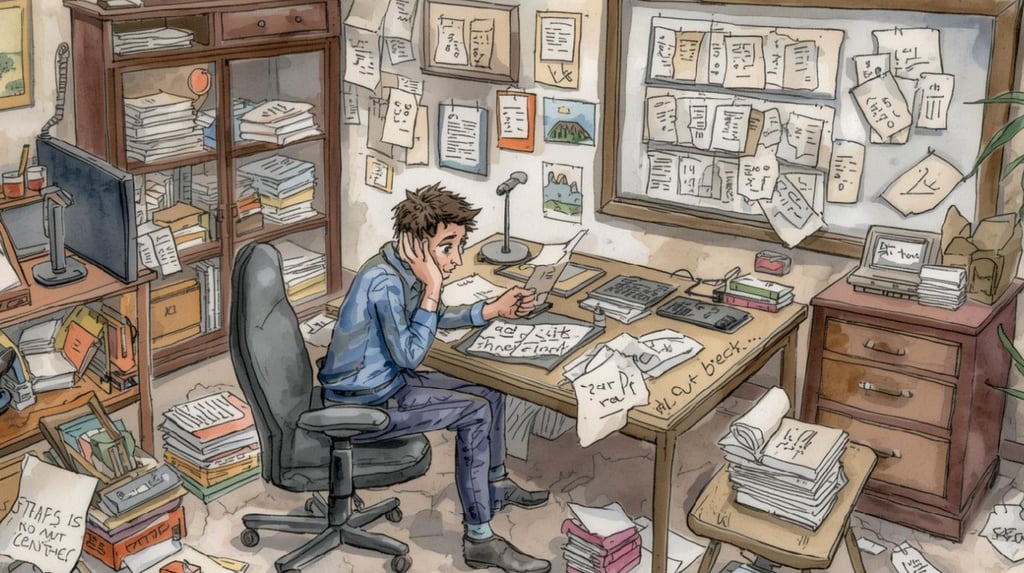
When You’re Functioning but Constantly Tense
You get your work done.
You meet deadlines.
You show up.
From the outside, everything looks fine.
But inside, your body feels tight. Your mind rarely relaxes. You move through the day with a low-grade tension that never fully leaves.
You are not burned out in the way people usually describe it. And yet, something feels off.
This is a form of work stress that often goes unnoticed because it does not stop you from functioning.
What This Kind of Stress Actually Feels Like
This stress does not announce itself dramatically. It stays subtle and persistent.
You might notice:
Constant muscle tension or shallow breathing
Feeling alert even when nothing urgent is happening
Difficulty relaxing during breaks
Irritability without a clear trigger
A sense of pressure that never fully lifts
Because you are still productive, it is easy to dismiss these signs. But emotional and physiological tension does not need collapse to be real.
Why It Gets Missed So Easily
1. You Are Still Performing
Burnout is often recognised only when productivity drops.
But many people continue to perform well while carrying significant internal strain. Functioning becomes the reason stress is overlooked.
Competence can hide discomfort.
2. Stress Has Become Normalised
When tension is constant, it starts to feel normal.
You may think:
“This is just how work is”
“Everyone feels like this”
“It’s not that bad”
But chronic tension, even at low levels, takes a real toll over time.
The World Health Organization recognises chronic workplace stress as a major contributor to emotional and physical health issues, even before burnout develops.
Source: https://www.who.int/health-topics/mental-health
3. Your Nervous System Is Stuck in Alert Mode
Many work environments require continuous attention, responsiveness, and self-monitoring.
Over time, your nervous system adapts by staying activated, even when it does not need to be.
This is not a mindset problem. It is a biological response.
The American Psychological Association notes that prolonged stress keeps the body in a heightened state of arousal, affecting emotional regulation and recovery.
Source: https://www.apa.org/topics
How This Stress Differs From Burnout
Burnout often shows up as exhaustion, disengagement, or loss of motivation.
This kind of stress looks different.
You may still care deeply.
You may still be driven.
You may still want to do well.
But you feel tense rather than depleted.
This is often an earlier stage of emotional overload. Paying attention now can prevent deeper exhaustion later.
This article is not a substitute for professional therapy. If stress feels overwhelming, persistent, or begins to interfere significantly with daily life, seeking support from a licensed mental health professional is important.
The Emotional Cost of Constant Tension
Living in a state of ongoing tension slowly narrows your emotional range.
Over time, you may experience:
Reduced enjoyment outside of work
Difficulty feeling fully present
Increased reactivity
Trouble resting even when time is available
Rest does not restore you because your system never fully powers down.
Emotional Fitness and Subtle Work Stress
Emotional fitness is not only about managing big crises. It is about noticing small, persistent patterns before they escalate.
This includes:
Recognising tension as information
Allowing emotional responses without judgement
Creating moments of safety and release
Processing experiences instead of carrying them silently
Ignoring subtle stress trains the body to stay tense longer.
What Actually Helps When You’re Constantly Tense
1. Notice Where Tension Lives
Stress often settles in the body.
Take brief check-ins:
Where am I holding tension right now?
What changes when I exhale slowly?
Awareness alone can begin to soften the grip.
2. Name the Emotional Load
Instead of saying “I’m fine,” try:
“I feel on edge”
“I feel pressured”
“I feel constantly alert”
Naming emotional states helps the nervous system shift out of defence.
3. Talk Without Turning It Into a Problem to Solve
Talking about stress does not require action plans.
Conversation allows tension to move instead of stagnate.
Being understood reduces internal pressure, even before circumstances change.
Self Reflection for You
Sit quietly with these:
When did this constant tension start?
What am I always bracing myself for?
Do I allow my body to fully relax anywhere?
What would ease my system, not just my schedule?
You Don’t Have to Wait for Burnout to Pay Attention
Stress does not need to be extreme to matter.
If you are functioning but constantly tense, your body is asking for care.
Friend Indeed offers a space for non-clinical, thoughtful conversations where you can talk through ongoing work stress without judgement or pressure to fix things. It is not therapy. It is a place to reflect, release emotional load, and reconnect with yourself through conversation.
Listening now is an act of emotional intelligence.
Frequently Asked Questions
Can I be stressed even if I’m performing well?
Yes. Functioning does not mean the absence of stress.
Is this just part of adult life?
Stress is common, but constant tension is not something you have to accept.
Can conversation really help with subtle stress?
Yes. Feeling understood helps the nervous system relax.
Write to us at support@friendindeed.in
© 2026 Friend Indeed. All rights reserved.
DISCLAIMER:
This platform does not provide psychotherapy, medical advice, or suicide prevention services. For mental health emergencies or suicidal ideation, please seek assistance from a qualified medical professional.
Your friend indeed is just one click away